Event Roundup
DevTechTalks at Tripadvisor: AI, Open Source and the Changing World of Software Development
By Poppy McNamara · 5 October 2026
Last week, around 90 people from Oxfordshire’s tech community joined us at Tripadvisor’s Oxford office for the latest DevTechTalks event.
It was a busy evening, with talks covering everything from open-source software and AI-assisted development to Java, PHP and new ways of thinking about how software teams build products.
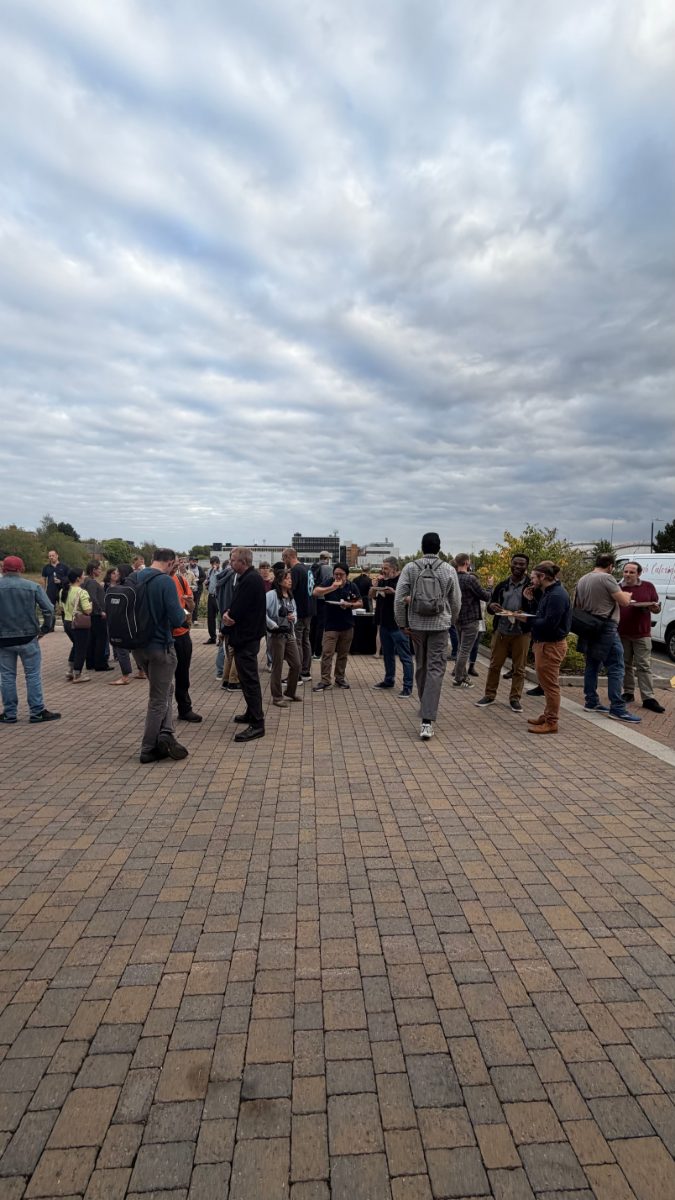
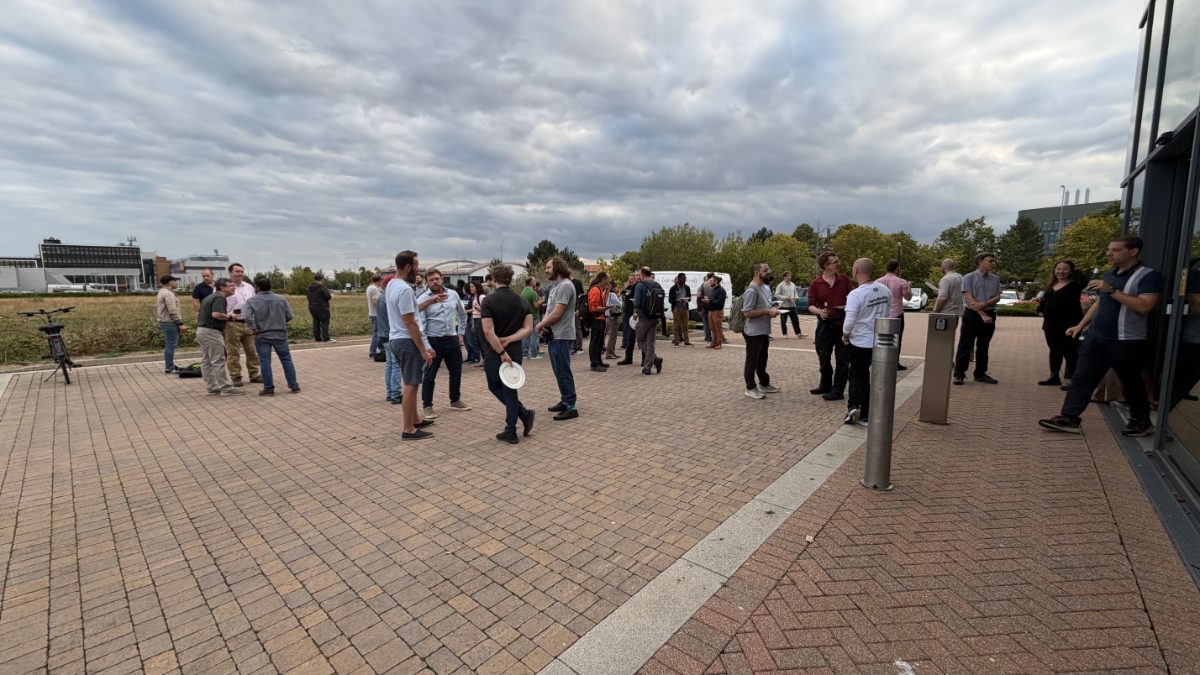
The weather was on our side too, which meant the conversations carried on outside between sessions, with plenty of time for people to catch up, meet someone new and continue some of the debates sparked by the talks.
Our two main speakers, David Hewitt and David North, approached the impact of AI on software development from very different angles, while our micro talks added a few more ideas into the mix.
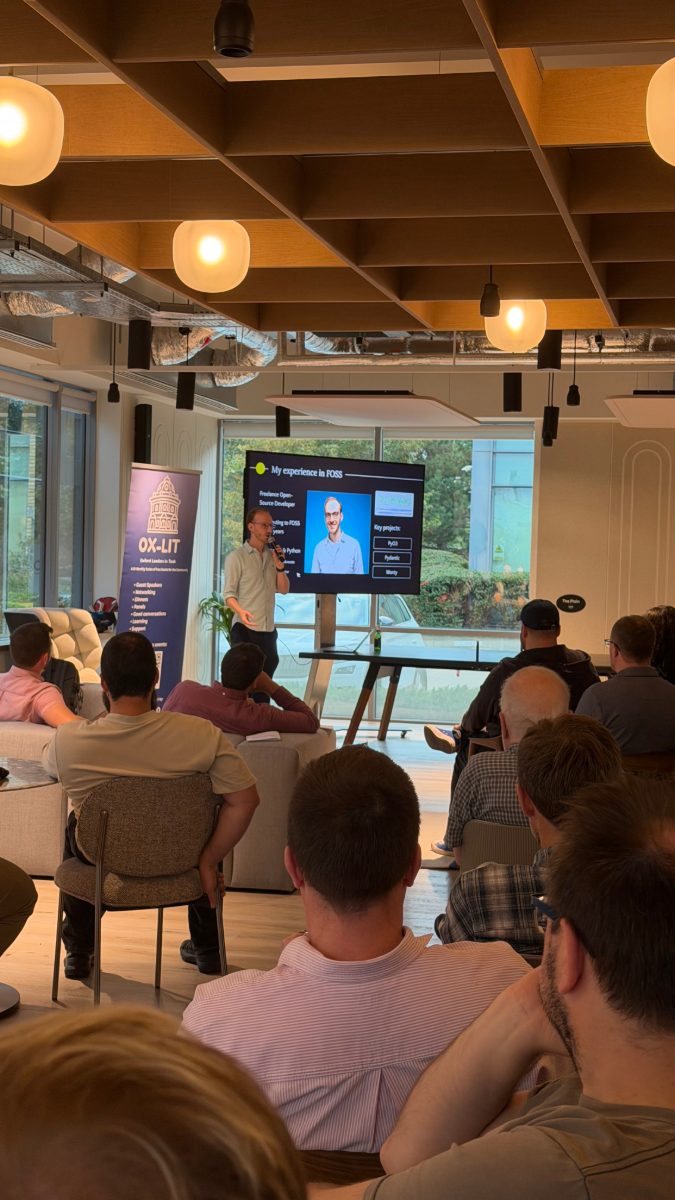
If code becomes cheap, do we still need open source?
David Hewitt opened the evening with a talk titled Do you need FOSS if you have “cheap code”?
The question was simple: if AI can generate more and more code quickly and cheaply, does that reduce the need for developers to rely on existing free and open-source software?
David’s argument was that the value of software goes far beyond the amount of code it contains. Reliability, security, maintenance and trust still matter, particularly when developers are building on components that have been used, tested and maintained by large communities over many years.
He also explored the idea that while AI may lower the cost of generating code, that does not necessarily make software itself cheap. Trusted components still offer value through stewardship, shared responsibility and the confidence that comes from using something established, while AI-generated code still needs oversight.
One of the more interesting forward-looking ideas from the talk was the possibility of increasingly personalised software. If software becomes cheaper to generate but still takes effort to maintain, we could see more people customising software around their own needs while continuing to build on open-source projects and existing platforms.
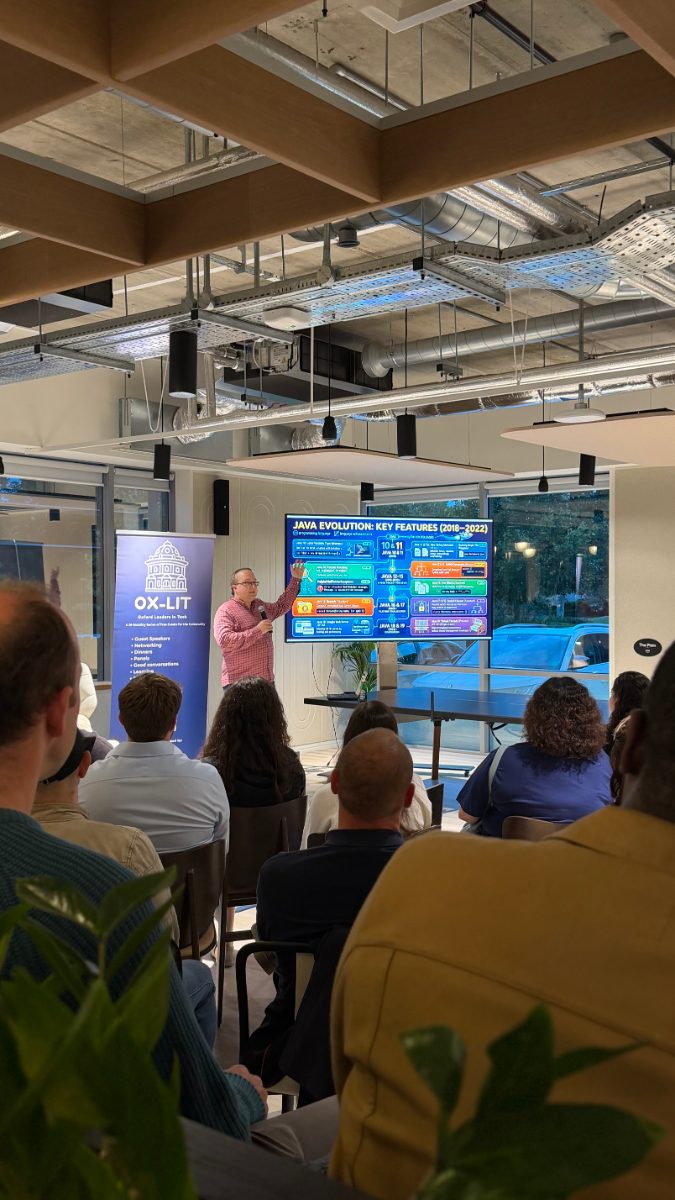
How do developers use AI without losing their edge?
David North then brought the conversation into the day-to-day reality of using AI inside a software team with his talk, Claude in the real (Java) world.
He focused on how his team at CoreFiling is actually using Claude in practice, rather than just talking about what AI might be capable of in theory. He shared examples including code review, diagnosing problems from logs, migrations, generating test cases, implementing smaller issues and helping to break down larger pieces of work.
A big theme was that AI can be extremely useful without removing the need for experienced developers. David spoke about the importance of people retaining the skills needed to judge whether an AI-generated answer is actually correct, rather than becoming so reliant on the tools that those underlying skills start to fade.
He also made a strong point around specifications. If a task is written clearly enough that Claude can understand it, plan it and get started without constantly asking for clarification, then it is probably a better specification for a human developer too.
The talk was also one of the lighter moments of the evening, with plenty of humour throughout, which made a fairly technical subject much easier to follow even for those of us who are not developers ourselves.
One of the more memorable questions from the room compared the idea of throwing away and rewriting cheap AI-generated code to the invention of the paper plate: if something becomes cheap enough to replace, does that change how much effort we should spend maintaining it?
Small talks, big ideas
Alongside the two main talks, the evening also included a series of shorter sessions covering a wider mix of ideas across software development.
Tamas Erdelyi spoke about the current state of PHP and what’s next, making the case that while newer languages and tools often dominate the conversation, PHP is still very much part of the modern development landscape.
Oksana Horlock’s session looked at AWS Kiro and spec-driven development, adding another perspective on how AI tools are beginning to influence the way software work is planned and structured.
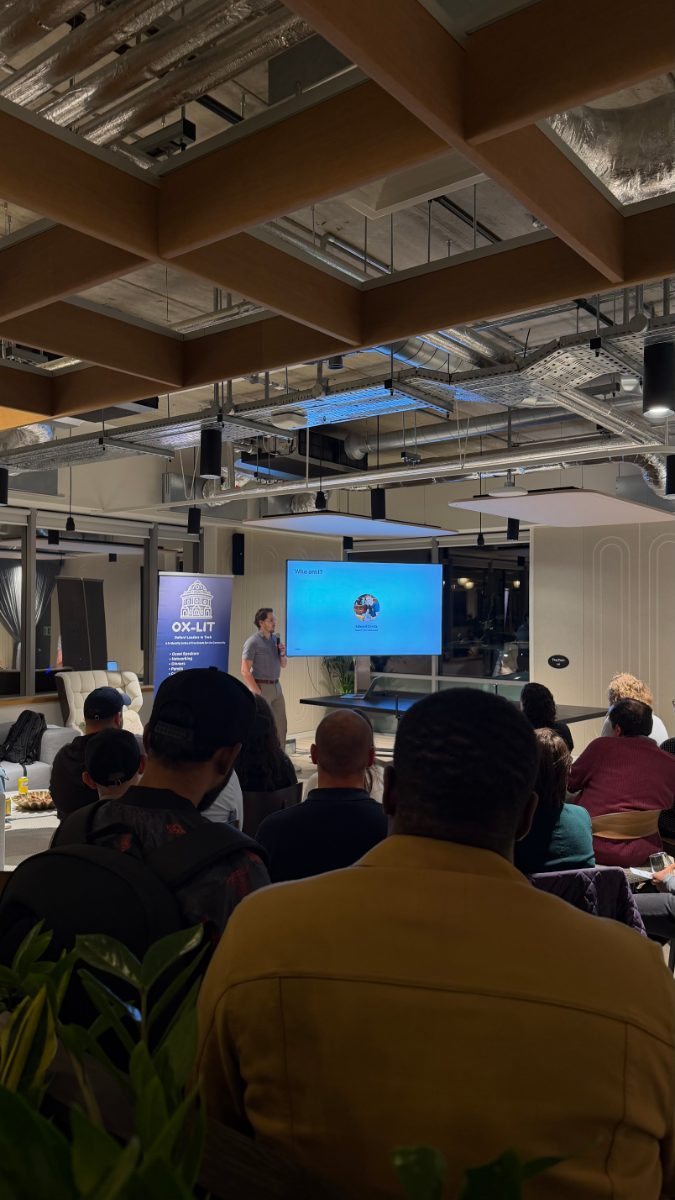
We also heard from Edward Celella, Search Pod Team Leader at Viator, part of Tripadvisor, whose micro talk, “Capabilities > Features”, introduced another angle on how product and engineering teams think about what they build.
More than just the talks
With around 90 people joining us, the Tripadvisor office stayed busy throughout the evening, with plenty of conversations, introductions and catch-ups across the Oxfordshire tech community.
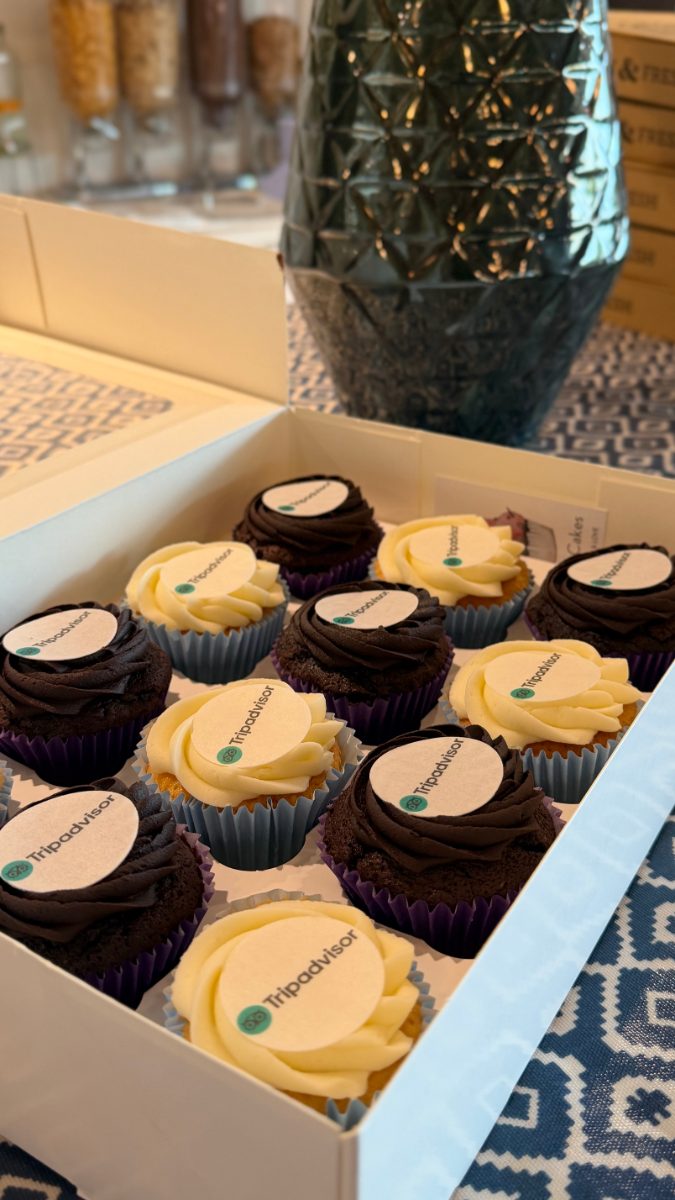
We were lucky with the weather too, which meant people could make use of the outdoor space as well as the main event area. Fresh pizza was cooked on site, drinks were flowing, and Tripadvisor even provided branded cupcakes, which were a particularly nice touch.
The relaxed setup gave people plenty of time to chat between sessions and continue conversations throughout the evening.
A huge thank you goes to the Tripadvisor team for hosting us. They gave us a brilliant setting for the event and made everyone feel incredibly welcome.
See you at the next one?
A big thank you to everyone who joined us, asked questions, shared ideas and helped make the evening such a good one.
DevTechTalks is all about bringing together people from across Oxfordshire’s tech community to share what they’re working on, hear different perspectives and meet others in the industry.
We’re already looking forward to the next event. If you’d like to come along next time, or you’ve got an idea you’d be interested in speaking about yourself, we’d love to hear from you.